
Presenting FEX
This Friday, after five years, Fez is finally coming to households everywhere! … if you have an Xbox, of course. And if that wasn’t enough to give me a Feeling of Missing Out, a select elite who got the game early have already flooded the twitternets with reports of how wonderful the game is.
My answer to this was FEX, which you can play right now, on many home computers, for free!

This game is notable for being one of the fastest games I’ve ever made — having conceived of the idea late in the afternoon, and completing it only a few hours later. Daniel Zoran graciously made the music (also very quickly and at short notice!).
EDIT! See the FEX LONG SCREENSHOT teaser trailer:
In: Uncategorized · Tagged with: daniel, fex, fez, flash, flixel, game, music, polytron
GDC12 Pirate Kart games
Thanks to the efforts of ExciteMike (and the incredible Glorious Trainwrecks!), over 1000 games were collected for a “GDC Pirate Kart”! The concept is simple: getting to GDC is expensive, and putting up a booth is even more expensive. Making a pirate kart that would be displayed on the GDC floor enabled a conference presence to any game that anyone could think to make.
I ended up submitting three games to the Kart, and I wanted to present them here.
Disbeliever Drop
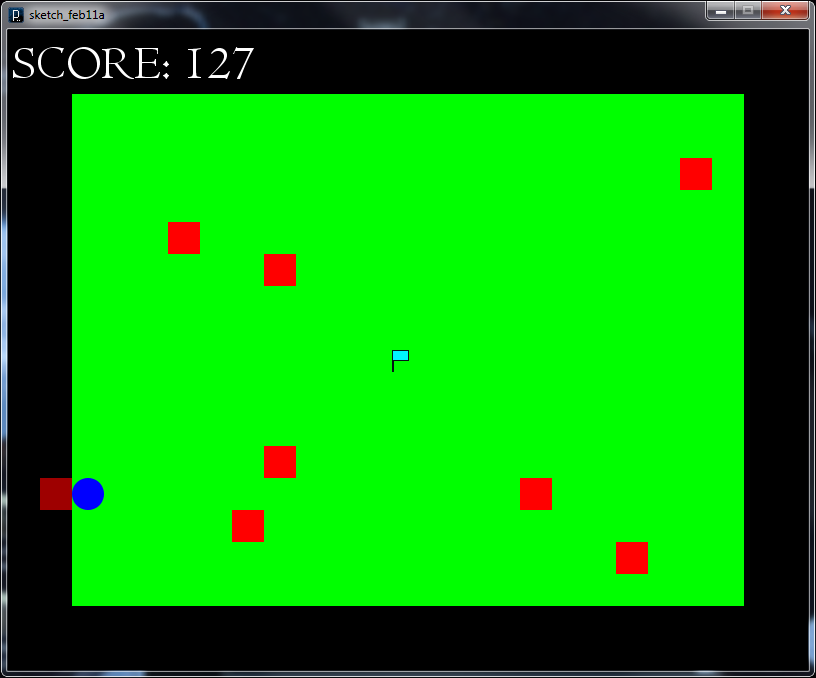
An “asset-free” game I doodled in Processing. The goal is to push the red squares (the disbelievers) off the ends of the earth (which you are proving to be flat), before they reach your scientific papers in the center. There’s no sound and no win condition, yet it provides about 3 minutes of solid entertainment. This was also an entry for SoS’s “nanoLD”, though it took me longer than 48 minutes to make it.
Play here (requires Java).
Foreskin Defender
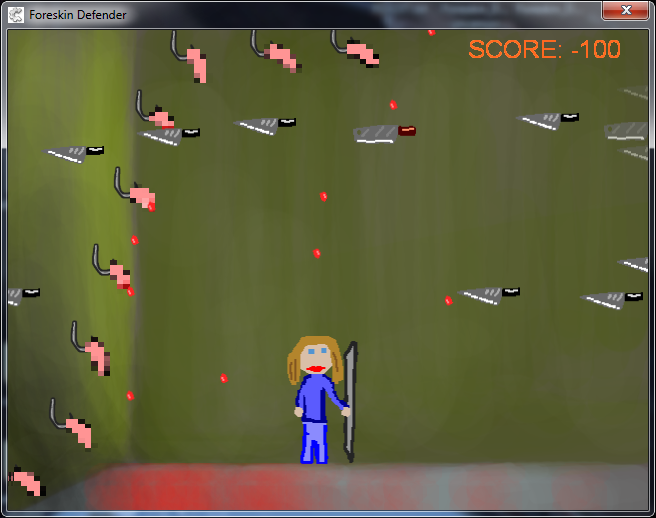
Censored version (uncensored available below)
As part of the Pirate Kart kickstarter campaign to raise enough money to set up the booth, one of the rewards was to have any idea made into a game by the Pirate Kart people. I chose the raciest idea I could find on the list:
My wife is an ANTI-circumcision activist and I would like a game made for her about protecting foreskins. (Seriously.)
The result is the game “Forskin Defender”. This was built in Construct Classic, using original graphics and sounds! The music was ripped from smickandsmudew.com.
Windows only. Original version / censored version.
Realistic GDC Lecture Session Simulator
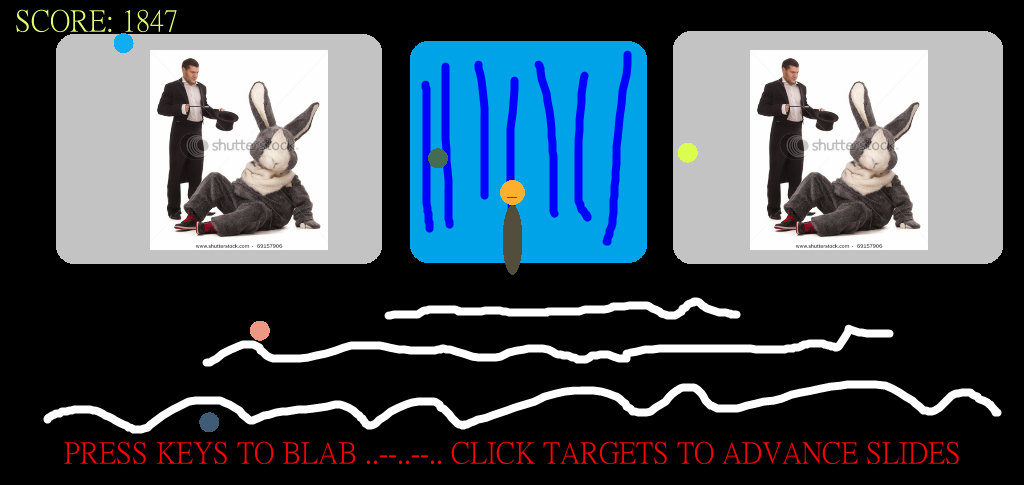
This game was created in a few hours while waiting in line for “Indie Game: The Movie” at the conference itself. Along with a bunch of other amazing indies, we held an impromptu jam in the queue. This was made in Processing and mspaint (and awkwardstockphotos.com).
In: Uncategorized · Tagged with: excitemike, gdc, gdc pirate kart, gdc12, glorious trainwrecks, glorioustrainwrecks, pirate kart, spindleyq
What’s at stake?
Ludum Dare #22 (December, 2011) is long gone, but I’m still feeling the repercussions. Alongside seven hundred and sixteen other people, I spent a weekend building a computer game from start to finish all on my own. This was the seventh Ludum Dare competition running that I’ve accomplished, and the learning experience never lets up.
Entering the Ludum Dare competition takes on different meanings depending on your experience level. At the beginning, LD was a reason to finish a game. Personally, I had never completed a single game project I had started until I joined the competition. This was the reason to participate, and finishing the game was the reward.
While finishing a game is extremely satisfying (and a worthwhile skill to have!), this eventually must cease being the only reason to compete. There are newer challenges that must be addressed — and all the while, retaining this ability to finish the games you start (ie. wisely choosing content, infrastructures, and keeping scope within range….).
One of the challenges is building a game worth experiencing. But if the player doesn’t actually have to “go through the experience” on their own, how personal could it possibly be?
GDC 2012: Folk Games
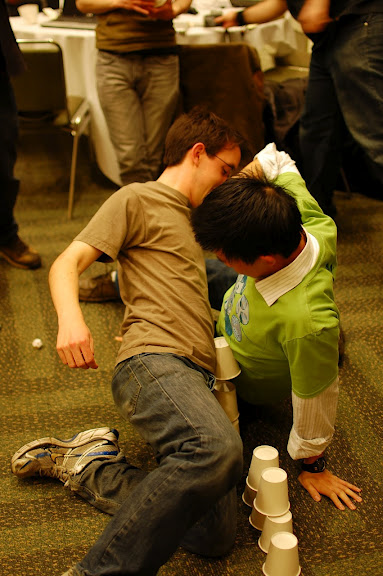
Get It Up - an impromptu folk game
Having finished my degree the previous summer, it would appear that everything should just go “back to normal”. The craziness is over, my brief foray into a bizarre and even slightly antagonistic field (Physics) has come to an end, and now I can return to the workforce with renewed vigor. Because there is only so much exploration a person can do, right?
But it seems that 2012 is already distinguishing itself from previous years. Just over a week ago, I found myself nearly halfway around the world, attending a conference with the most energetic, talented and interesting people I could possibly dream of. This was the Game Developers Conference, held in San Francisco, USA.
A few themes permeated the conference in my perception, themes that resonated with me, my thoughts, and the mindset that brought me ten time zones west of home. In the hopes of making this a mini-series of posts, I’ll discuss one of these themes here.
In: Uncategorized · Tagged with: folk games, gdc, gdc12, get it up, photos, rant, san francisco
Eli News Update
== — == we interrupt this broadcast for a special news bulletin == — ==
- This year I will be attending the Game Developers Conference in San Francisco, California. All arrangements have been booked, and I will arrive a few days earlier to poke around the city and meet with family and friends. If you are into game development and want to meet up, please let me know! Especially if you want to jam. I hope to document my experiences (photos and writing), so keep an eye on this blog.
- I am currently seeking a new work situation. My CV is available in Hebrew and English — please contact me if you are interested.
== — == and now back to your regularly-scheduled programming == — ==
In: Uncategorized · Tagged with: contact, cv, game, game dev, games, gdc, news, resume, update, work
How to download a Real Audio file without installing crapware
After spending the better part of this morning struggling against obsolete file formats (Real Audio), I thought I would catalog and document the finished process for future reference. Feel free to sing along.
In: Uncategorized · Tagged with: audacity, crap audio, crap media, crapware, freeware, lifetips, linux, mp3, mplayer, music, protip, RA, ram, real, real audio, real crap, real media, rm, sound, took me all day, ubuntu, virtualbox
Ghost Town post-mortem

snake snake snake snake snake snake snake
Less than a week ago, I was busy developing a game called “Ghost Town” (see relevant post). This has been, by far, my most productive and successful Ludum Dare for quite a while, perhaps since April 2010. That’s not to say I haven’t gained anything from these other Ludum Dare competitions, but I’ve usually gone into them half-heartedly or with too grandiose a concept. The main reason is probably because I was trying to juggle my Physics degree and work at the same time.
However, I would like to save the motivational analysis for a future post (I have much to say in this regard!), and let’s get down to the technical/artistic breakdown of what happened.
In: Uncategorized · Tagged with: analysis, ghost town, graphics, ld48, ludum dare, post-mortem, postmortem
Ludum Dare 22: “Ghost Town”
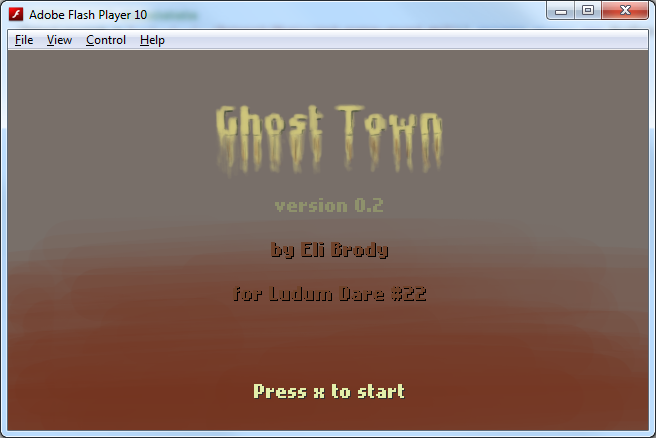
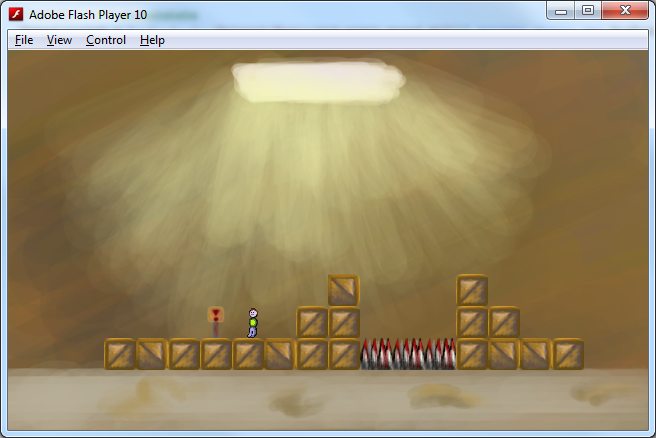
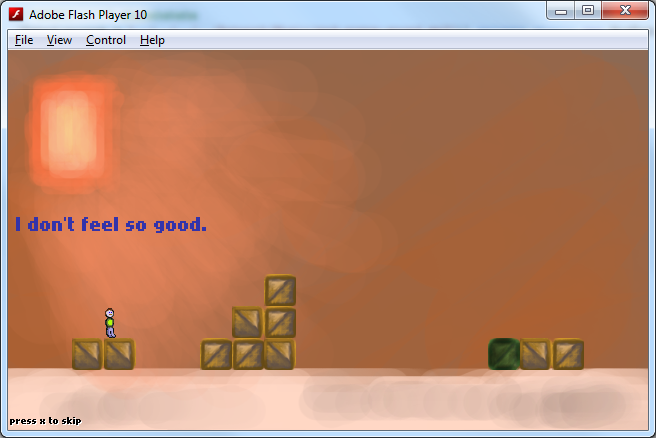
Here is my entry for the 22nd Ludum Dare 48-hour game development competition.
All in all, it was a terrific experience (again). Very stressful, but extremely fun at the same time.
Links:
In: Uncategorized · Tagged with: as3, everything, flash, flixel, ghost town, graphics gale, LD, ld48, ludum dare, photoshop, project, speed painting, timelapse, weekend
B.A.D. animation

Simon reminded me how much glitchy animation is fun, so for one of my “daily exercises” I made a jittery guy do some silly animation. Looking at it again about a week later still makes me feel good, so here it is.
B.A.D. Animation (Flash)
Daily Freeforms
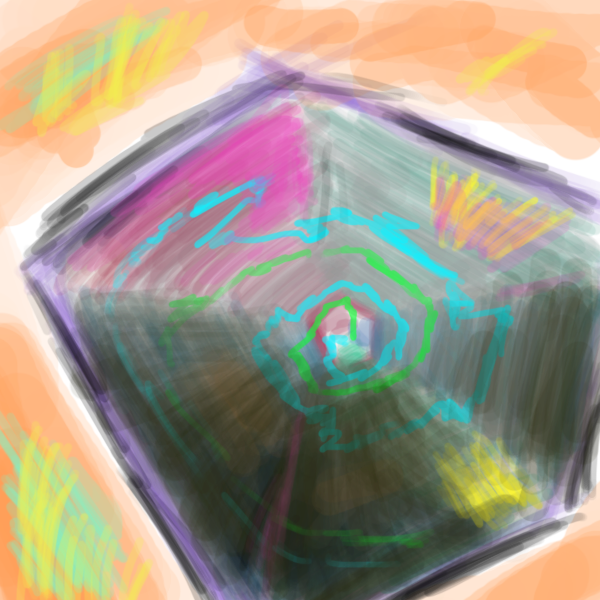
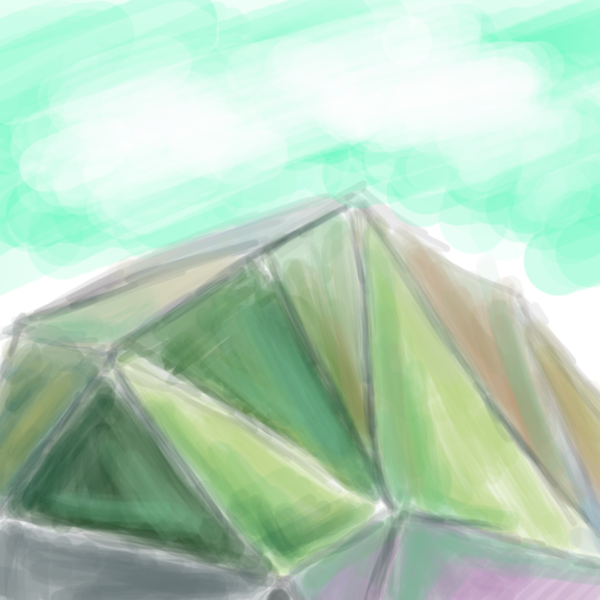
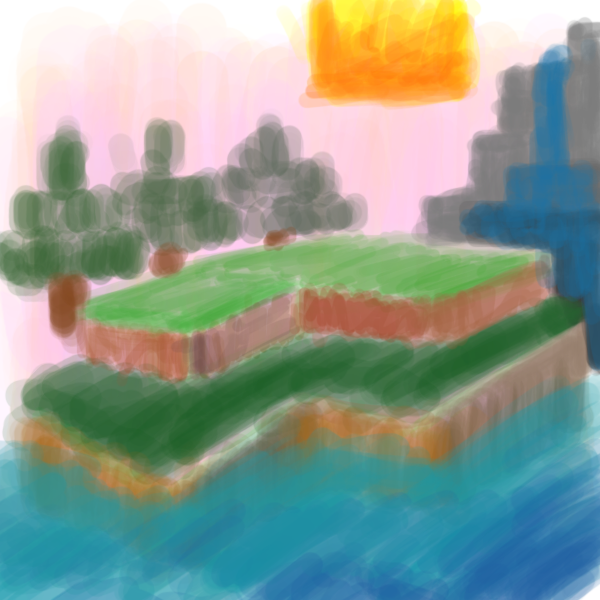
As part of an “intuitive drawing” course my wife and I are taking, I decided to spend 15 minutes (or more) each day drawing whatever comes to mind. Here are the results of the experiment after almost two weeks.








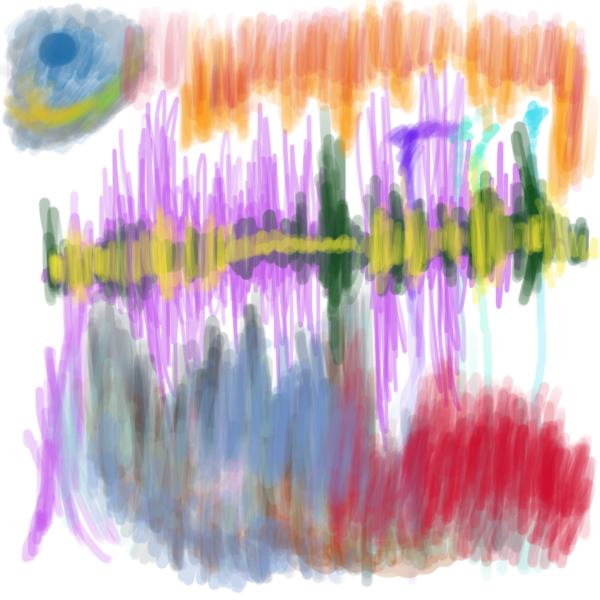
Another source of inspiration is David Evans’s daily drawings.